<style>
.w-richtext p,.w-richtext li,.w-richtext td{font-size:18px;line-height:1.65}
.w-richtext h2{font-size:26px;line-height:1.35}
.w-richtext h3{font-size:22px;line-height:1.35}
.w-richtext ul{list-style-type:disc;padding-left:24px;margin:12px 0}
.w-richtext ul li{margin-bottom:8px;line-height:1.65}
.w-richtext .ac-action-plan{background:linear-gradient(135deg,#fffcf4 0%,#fff8ed 100%);border-left:5px solid #9a6841;border-radius:12px;padding:28px 24px;margin:32px 0;box-shadow:0 2px 12px rgba(0,0,0,0.06)}
.article-header-section .article-container{max-width:1080px !important;margin:0 auto !important;padding:0 20px !important}
.article-header-section .article-hero-image{display:block;width:100%;max-width:660px;margin:0}
.article-header-section .article-title{display:block !important;font-family:Georgia,serif;font-size:32px;line-height:1.25;font-weight:700;color:#313743;margin:20px 0 12px 0;text-align:left;max-width:660px}
@media (max-width:767px){.article-header-section .article-title{font-size:26px}.article-header-section .article-hero-image{max-width:100%}}
.ac-article-cta{margin-top:40px;text-align:center}
.ac-article-cta .ac-cta-lead{font-family:Georgia,serif;font-size:17px;color:#555;margin:0 0 16px 0;line-height:1.5}
.ac-article-cta a.ac-nav-cta{display:inline-flex;align-items:center;gap:10px;padding:10px 14px 10px 20px;background:#313743;color:#fff;border:1.5px solid #14D4CD;border-radius:82px;font-family:Inter,sans-serif;font-size:14px;font-weight:600;letter-spacing:0.3px;text-decoration:none;transition:transform 0.15s ease,box-shadow 0.15s ease}
.ac-article-cta a.ac-nav-cta:hover{transform:translateY(-1px);box-shadow:0 6px 18px rgba(20,212,205,0.25)}
.ac-article-cta .ac-nav-cta-arrow{width:28px;height:28px;background:#14D4CD;border-radius:50%;display:inline-flex;align-items:center;justify-content:center;flex-shrink:0}
.ac-article-cta .ac-nav-cta-arrow svg{width:14px;height:14px}
</style>
<p class="publish-date" style="font-size:13px; color:#999; margin-bottom:16px;">Published: May 12, 2026 · Last updated: May 12, 2026</p>
<div class="ac-glance" style="background-color: #ffffff; padding: 20px; border: 2px solid #b0bec5; border-radius: 8px; margin: 20px 0;"><strong>This week's brief at a glance:</strong><ul style="margin: 12px 0; padding-left: 24px;"><li style="margin-bottom:6px;">Both mineral (zinc oxide, titanium dioxide) and chemical (avobenzone, octisalate) sunscreens are FDA-approved as safe and effective. The bigger problem is most people apply far too little, regardless of formula (CDC, 2024)</li><li style="margin-bottom:6px;">Mineral sunscreens are recommended for sensitive skin, rosacea, and people with skin cancer history. Modern formulations have largely solved the old "white cast" problem (Mayo Clinic, 2024)</li><li style="margin-bottom:6px;">After 50, the priority is broad-spectrum SPF 30 or higher, applied generously and reapplied every two hours. The specific formula matters less than consistent daily use (Cleveland Clinic, 2024)</li></ul></div>
<p>The sunscreen aisle has gotten complicated. Reef-safe. Mineral. Chemical. Hybrid. Tinted. Tinted hybrid mineral with niacinamide. Every brand claims their formula is uniquely safe, uniquely effective, or uniquely something. Most of it is marketing.</p>
<p>The dermatology research is simpler than the marketing suggests. There are two main types of sunscreen, both work, and the most common mistake is not picking the wrong one. It is applying a quarter of the amount the tested SPF requires. Here is what after-50 skin actually needs.</p>
<h3>How the Two Formulas Actually Work</h3>
<p>Mineral sunscreens use zinc oxide or titanium dioxide. These sit on top of the skin and physically scatter UV light. They start working the instant you apply them. Both ingredients are on the FDA's "generally recognized as safe and effective" list, the only two sunscreen ingredients with that designation.</p>
<p>Chemical sunscreens absorb into the skin and convert UV energy into heat that gets released harmlessly. Common active ingredients include avobenzone, octisalate, octocrylene, and homosalate. The CDC notes that all FDA-approved chemical sunscreens have a long track record of safety and effectiveness (<a href="https://www.cdc.gov/skin-cancer/sun-safety/index.html" target="_blank" rel="noopener">CDC, 2024</a>). The compounds the FDA has flagged for further data (oxybenzone, octinoxate) are still approved for use; the agency simply wants more long-term absorption studies.</p>
<h3>The After-50 Considerations</h3>
<p>Skin gets thinner, drier, and more reactive with age. Two specific reasons to favor mineral sunscreen show up after 50:</p>
<p><strong>Sensitive or rosacea-prone skin.</strong> Mineral sunscreens are less likely to cause stinging or flushing because the active ingredients sit on top of the skin rather than penetrating it. If you have a history of redness or irritation from chemical sunscreens, mineral is the safer default.</p>
<p><strong>History of skin cancer or precancers.</strong> Dermatologists who manage patients with actinic keratoses or non-melanoma skin cancer often recommend zinc oxide formulations because the physical block is immediate and the broad-spectrum coverage is excellent without depending on chemical breakdown of the actives in sunlight.</p>
<p>For most people without these concerns, the (<a href="https://www.mayoclinic.org/diseases-conditions/skin-cancer/in-depth/sunscreen/art-20045110" target="_blank" rel="noopener">Mayo Clinic, 2024</a>) considers both types acceptable. The question becomes which formula you will actually use every day.</p>
<h3>The Real Problem Nobody Talks About</h3>
<p>Cleveland Clinic data and other dermatology surveys show that most adults apply about 25 to 50 percent of the amount used in FDA SPF testing. That means a stated SPF 50 product, applied at half-coverage, performs like SPF 15 or 20 in real life (<a href="https://my.clevelandclinic.org/health/articles/10884-sunscreen-which-type-is-best" target="_blank" rel="noopener">Cleveland Clinic, 2024</a>).</p>
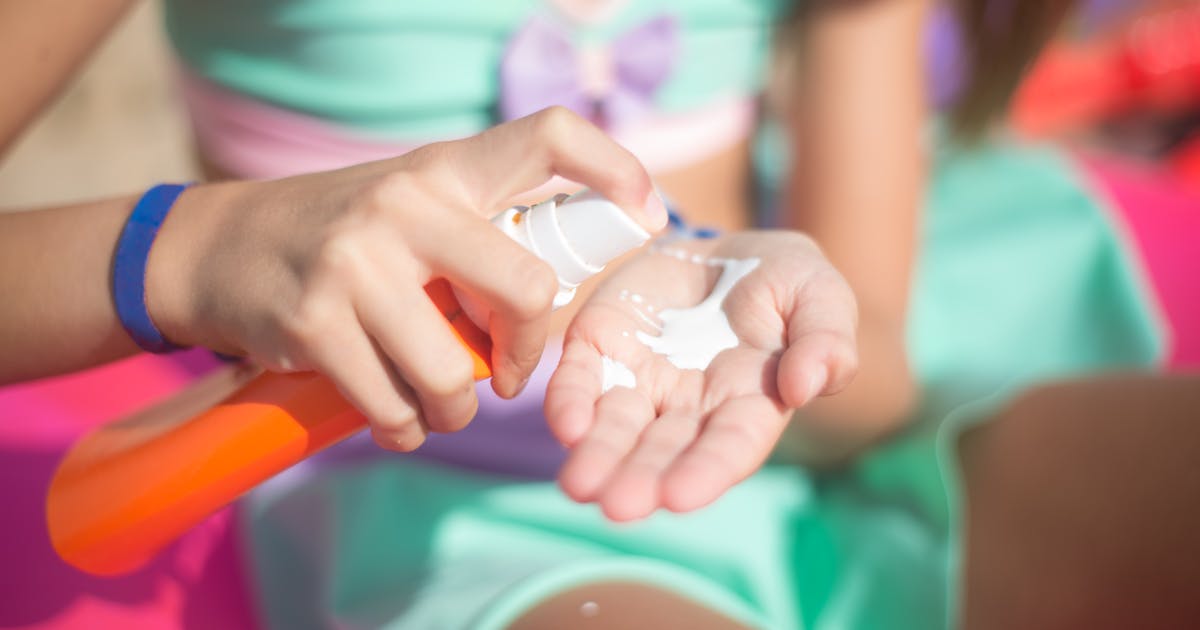
<p>The dermatology rule of thumb: a shot glass full (about one ounce) covers an adult body. For the face and neck alone, two fingers' worth of product, end to end. Reapply every two hours of sun exposure, immediately after swimming, sweating, or toweling off.</p>
<h3>Tinted Mineral Sunscreens for Daily Wear</h3>
<p>If you have stayed away from mineral sunscreen because of the white cast, modern tinted formulations are worth revisiting. Iron oxides in tinted sunscreens add visible-light protection, which matters specifically for hyperpigmentation, melasma, and the slow age-related skin discoloration that affects most adults over 50.</p>
<p>For more on supporting skin from the inside, see our piece on <a href="/articles/the-3-daily-habits-that-predict-healthy-aging-better-than-your-genetics">daily habits that predict healthy aging</a>.</p>
<div class="ac-action-plan" style="background: linear-gradient(135deg, #fffcf4 0%, #fff8ed 100%); border-left: 5px solid #9A6841; border-radius: 12px; padding: 28px 24px; margin: 32px 0; box-shadow: 0 2px 12px rgba(0,0,0,0.06);"><div style="display: flex; align-items: center; gap: 10px; margin-bottom: 20px;"><svg width="24" height="24" viewBox="0 0 24 24" fill="none" stroke="#9A6841" stroke-width="2" stroke-linecap="round" stroke-linejoin="round"><path d="M9 5H7a2 2 0 00-2 2v12a2 2 0 002 2h10a2 2 0 002-2V7a2 2 0 00-2-2h-2"/><rect x="9" y="3" width="6" height="4" rx="1"/><path d="M9 14l2 2 4-4"/></svg><span style="font-family: Georgia, serif; font-size: 22px; font-weight: 700; color: #313743;">Your Coach's Recommendations</span></div><div style="display: flex; gap: 14px; margin-bottom: 16px; align-items: flex-start;"><div style="min-width: 36px; width: 36px; height: 36px; background: #9A6841; border-radius: 50%; display: flex; align-items: center; justify-content: center; color: #fff; font-weight: 700; font-size: 16px; flex-shrink: 0;">1</div><div><div style="font-weight: 700; color: #313743; font-size: 15px; margin-bottom: 2px;">Choose Broad-Spectrum SPF 30 or Higher for Daily Wear.</div><div style="color: #6b7280; font-size: 13.5px; line-height: 1.5;">Look for both UVA and UVB protection on the label. Above SPF 50, the incremental benefit diminishes. Daily use beats occasional high-SPF use every time.</div></div></div><div style="display: flex; gap: 14px; margin-bottom: 16px; align-items: flex-start;"><div style="min-width: 36px; width: 36px; height: 36px; background: #9A6841; border-radius: 50%; display: flex; align-items: center; justify-content: center; color: #fff; font-weight: 700; font-size: 16px; flex-shrink: 0;">2</div><div><div style="font-weight: 700; color: #313743; font-size: 15px; margin-bottom: 2px;">Apply Two Fingers' Worth to Your Face and Neck.</div><div style="color: #6b7280; font-size: 13.5px; line-height: 1.5;">A pea-sized dab is not enough. The dermatology standard is two parallel lines of product running the length of your index and middle fingers, applied every morning.</div></div></div><div style="display: flex; gap: 14px; margin-bottom: 20px; align-items: flex-start;"><div style="min-width: 36px; width: 36px; height: 36px; background: #9A6841; border-radius: 50%; display: flex; align-items: center; justify-content: center; color: #fff; font-weight: 700; font-size: 16px; flex-shrink: 0;">3</div><div><div style="font-weight: 700; color: #313743; font-size: 15px; margin-bottom: 2px;">Reapply Every Two Hours During Sun Exposure.</div><div style="color: #6b7280; font-size: 13.5px; line-height: 1.5;">Powder, stick, or spray formulations make this easier mid-day. After swimming or sweating, reapply immediately regardless of the time interval.</div></div></div><div style="border-top: 1px solid #e5ddd4; margin: 16px 0;"></div><div style="display: flex; justify-content: center; align-items: center; gap: 10px; flex-wrap: wrap;"><button onclick="acPrintPlan()" style="background: none; border: 1px solid #d3cabe; border-radius: 8px; padding: 10px 16px; font-size: 13px; color: #6b7280; cursor: pointer; display: flex; align-items: center; gap: 6px;"><svg width="14" height="14" viewBox="0 0 24 24" fill="none" stroke="currentColor" stroke-width="2" stroke-linecap="round" stroke-linejoin="round"><polyline points="6 9 6 2 18 2 18 9"/><path d="M6 18H4a2 2 0 01-2-2v-5a2 2 0 012-2h16a2 2 0 012 2v5a2 2 0 01-2 2h-2"/><rect x="6" y="14" width="12" height="8"/></svg>Print</button></div></div>
<div style="margin-top: 32px; padding-top: 0;">
<div style="width: 60px; height: 2px; background: linear-gradient(90deg, #9A6841, #be7b4c); border-radius: 2px; margin-bottom: 20px;"></div>
<p style="font-family: Georgia, serif; font-size: 16px; font-style: italic; color: #777; margin: 0 0 6px 0; letter-spacing: 0.3px; padding-left: 38px;">To your health,</p>
<div style="display: flex; align-items: center; gap: 4px; margin-bottom: 4px;">
<img src="https://cdn.prod.website-files.com/69be130d412f9c2c202307ef/69c539b9526b266e2cba5521_ageless-coach-logo-black.png" alt="AC" style="width: 34px; height: 34px; object-fit: contain;">
<p style="font-family: Georgia, serif; font-size: 22px; font-weight: 700; color: #313743; margin: 0; letter-spacing: 0.5px;">Ageless Coach</p>
</div>
<p style="font-family: -apple-system, BlinkMacSystemFont, Segoe UI, sans-serif; font-size: 11px; font-weight: 600; color: #be7b4c; letter-spacing: 2px; text-transform: uppercase; margin: 0 0 0 28px;">Age Strong. Live Long.</p>
</div>
<div style="margin-top: 28px; padding-top: 20px; border-top: 1px solid #e5e7eb; text-align: center;">
<p style="font-family: -apple-system, BlinkMacSystemFont, Segoe UI, sans-serif; font-size: 13px; font-weight: 700; color: #6b7280; letter-spacing: 2px; text-transform: uppercase; margin: 0 0 16px 0;">Trusted Sources Behind This Article</p>
<div style="display: flex; justify-content: center; gap: 10px; flex-wrap: wrap;">
<a href="https://www.cdc.gov/skin-cancer/sun-safety/index.html" target="_blank" rel="noopener" style="display: inline-block; background: #fff; border: 1.5px solid #9A6841; color: #9A6841; padding: 8px 20px; border-radius: 20px; font-size: 14px; font-weight: 600; letter-spacing: 0.3px; text-decoration: none; transition: background 0.2s ease, color 0.2s ease;">CDC</a>
<a href="https://www.mayoclinic.org/diseases-conditions/skin-cancer/in-depth/sunscreen/art-20045110" target="_blank" rel="noopener" style="display: inline-block; background: #fff; border: 1.5px solid #9A6841; color: #9A6841; padding: 8px 20px; border-radius: 20px; font-size: 14px; font-weight: 600; letter-spacing: 0.3px; text-decoration: none; transition: background 0.2s ease, color 0.2s ease;">Mayo Clinic</a>
<a href="https://my.clevelandclinic.org/health/articles/10884-sunscreen-which-type-is-best" target="_blank" rel="noopener" style="display: inline-block; background: #fff; border: 1.5px solid #9A6841; color: #9A6841; padding: 8px 20px; border-radius: 20px; font-size: 14px; font-weight: 600; letter-spacing: 0.3px; text-decoration: none; transition: background 0.2s ease, color 0.2s ease;">Cleveland Clinic</a>
</div>
</div>
<p style="font-size: 12px; color: #999; margin-top: 40px; line-height: 1.5;"><em>This content is for educational purposes only and is not a substitute for professional medical advice, diagnosis, or treatment. Reading this article does not create a provider-patient relationship. Always consult your physician or qualified healthcare provider before making changes to your diet, exercise, or health routine. Ageless Coach is not liable for any actions taken based on this information.</em></p>
<div class="ac-faq" style="margin-top:40px; border-top:1px solid #e5e7eb; padding-top:32px;">
<h2 style="font-family:Georgia,serif; font-size:20px; font-weight:700; color:#313743; margin:0 0 20px 0;">Frequently Asked Questions</h2>
<details style="border:1px solid #e5e7eb; border-radius:8px; margin-bottom:10px; overflow:hidden;">
<summary style="padding:14px 18px; font-weight:600; font-size:15px; color:#313743; cursor:pointer; list-style:none; display:flex; justify-content:space-between; align-items:center;">
Is chemical sunscreen actually safe to use long-term?
<svg width="16" height="16" viewBox="0 0 24 24" fill="none" stroke="#9A6841" stroke-width="2" stroke-linecap="round" stroke-linejoin="round" aria-hidden="true"><polyline points="6 9 12 15 18 9"/></svg>
</summary>
<div style="padding:0 18px 16px; font-size:18px; color:#555; line-height:1.65;">Yes, according to current FDA, CDC, and Mayo Clinic positions. The FDA has asked for more long-term absorption data on some chemical actives, but no chemical sunscreen ingredient has been linked to disease in epidemiological studies. The skin cancer risk from skipping sunscreen is much better characterized than any theoretical risk from using it.</div>
</details>
<details style="border:1px solid #e5e7eb; border-radius:8px; margin-bottom:10px; overflow:hidden;">
<summary style="padding:14px 18px; font-weight:600; font-size:15px; color:#313743; cursor:pointer; list-style:none; display:flex; justify-content:space-between; align-items:center;">
Do I need sunscreen on cloudy days?
<svg width="16" height="16" viewBox="0 0 24 24" fill="none" stroke="#9A6841" stroke-width="2" stroke-linecap="round" stroke-linejoin="round" aria-hidden="true"><polyline points="6 9 12 15 18 9"/></svg>
</summary>
<div style="padding:0 18px 16px; font-size:18px; color:#555; line-height:1.65;">Yes. Up to 80 percent of UV radiation passes through cloud cover. Cumulative low-grade UV exposure on cloudy days is responsible for a significant share of photoaging and skin cancer risk. Daily sunscreen on exposed skin matters regardless of the forecast.</div>
</details>
<details style="border:1px solid #e5e7eb; border-radius:8px; margin-bottom:10px; overflow:hidden;">
<summary style="padding:14px 18px; font-weight:600; font-size:15px; color:#313743; cursor:pointer; list-style:none; display:flex; justify-content:space-between; align-items:center;">
What is the difference between SPF 30 and SPF 50?
<svg width="16" height="16" viewBox="0 0 24 24" fill="none" stroke="#9A6841" stroke-width="2" stroke-linecap="round" stroke-linejoin="round" aria-hidden="true"><polyline points="6 9 12 15 18 9"/></svg>
</summary>
<div style="padding:0 18px 16px; font-size:18px; color:#555; line-height:1.65;">SPF 30 blocks about 97 percent of UVB rays; SPF 50 blocks about 98 percent. The incremental benefit above SPF 30 is small. What matters far more than the number is broad-spectrum coverage (UVA plus UVB) and adequate application.</div>
</details>
<details style="border:1px solid #e5e7eb; border-radius:8px; margin-bottom:10px; overflow:hidden;">
<summary style="padding:14px 18px; font-weight:600; font-size:15px; color:#313743; cursor:pointer; list-style:none; display:flex; justify-content:space-between; align-items:center;">
Can I wear sunscreen with my retinol or other actives?
<svg width="16" height="16" viewBox="0 0 24 24" fill="none" stroke="#9A6841" stroke-width="2" stroke-linecap="round" stroke-linejoin="round" aria-hidden="true"><polyline points="6 9 12 15 18 9"/></svg>
</summary>
<div style="padding:0 18px 16px; font-size:18px; color:#555; line-height:1.65;">Yes, and you should. Retinol and most exfoliating acids make your skin more sun-sensitive. Daily SPF is non-negotiable when using these products. Apply your treatment serums first, allow them to absorb, then layer sunscreen on top.</div>
</details>
<details style="border:1px solid #e5e7eb; border-radius:8px; margin-bottom:10px; overflow:hidden;">
<summary style="padding:14px 18px; font-weight:600; font-size:15px; color:#313743; cursor:pointer; list-style:none; display:flex; justify-content:space-between; align-items:center;">
Is "reef-safe" sunscreen really better?
<svg width="16" height="16" viewBox="0 0 24 24" fill="none" stroke="#9A6841" stroke-width="2" stroke-linecap="round" stroke-linejoin="round" aria-hidden="true"><polyline points="6 9 12 15 18 9"/></svg>
</summary>
<div style="padding:0 18px 16px; font-size:18px; color:#555; line-height:1.65;">"Reef-safe" is an environmental claim, not a health claim. Hawaii and Key West banned oxybenzone and octinoxate because of coral reef concerns. The remaining FDA-approved actives, including all mineral options, are considered reef-friendly. Use whichever formulation you prefer; both work for your skin.</div>
</details>
<details style="border:1px solid #e5e7eb; border-radius:8px; margin-bottom:10px; overflow:hidden;">
<summary style="padding:14px 18px; font-weight:600; font-size:15px; color:#313743; cursor:pointer; list-style:none; display:flex; justify-content:space-between; align-items:center;">
How do I get my partner who refuses sunscreen to use it?
<svg width="16" height="16" viewBox="0 0 24 24" fill="none" stroke="#9A6841" stroke-width="2" stroke-linecap="round" stroke-linejoin="round" aria-hidden="true"><polyline points="6 9 12 15 18 9"/></svg>
</summary>
<div style="padding:0 18px 16px; font-size:18px; color:#555; line-height:1.65;">Try a moisturizer with built-in SPF 30 or higher. Many men in particular skip sunscreen because they dislike a separate step. A daily face moisturizer with broad-spectrum SPF removes the friction. EltaMD, CeraVe, and Neutrogena make widely-recommended versions.</div>
</details>
</div>
<div class="ac-article-cta">
<p class="ac-cta-lead">Want one verified-science article like this every week?</p>
<a href="/newsletter" class="ac-nav-cta">
Get Better Health, Weekly
<span class="ac-nav-cta-arrow">
<svg viewBox="0 0 18 18" fill="none" xmlns="http://www.w3.org/2000/svg" aria-hidden="true"><path d="M4.24 13.59L12.73 5.11" stroke="#0D1B2A" stroke-width="1.8"/><path d="M4.95 4.4H13.44V12.89" stroke="#0D1B2A" stroke-width="1.8"/></svg>
</span>
</a>
</div>

Get Better Health, Weekly