<style>
.w-richtext p,.w-richtext li,.w-richtext td{font-size:18px;line-height:1.65}
.w-richtext h2{font-size:26px;line-height:1.35}
.w-richtext h3{font-size:22px;line-height:1.35}
.w-richtext ul{list-style-type:disc;padding-left:24px;margin:12px 0}
.w-richtext ul li{margin-bottom:8px;line-height:1.65}
.w-richtext .ac-action-plan{background:linear-gradient(135deg,#fffcf4 0%,#fff8ed 100%);border-left:5px solid #9a6841;border-radius:12px;padding:28px 24px;margin:32px 0;box-shadow:0 2px 12px rgba(0,0,0,0.06)}
.article-header-section .article-container{max-width:1080px !important;margin:0 auto !important;padding:0 20px !important}
.article-header-section .article-hero-image{display:block;width:100%;max-width:660px;margin:0}
.article-header-section .article-title{display:block !important;font-family:Georgia,serif;font-size:32px;line-height:1.25;font-weight:700;color:#313743;margin:20px 0 12px 0;text-align:left;max-width:660px}
@media (max-width:767px){.article-header-section .article-title{font-size:26px}.article-header-section .article-hero-image{max-width:100%}}
.ac-article-cta{margin-top:40px;text-align:center}
.ac-article-cta .ac-cta-lead{font-family:Georgia,serif;font-size:17px;color:#555;margin:0 0 16px 0;line-height:1.5}
.ac-article-cta a.ac-nav-cta{display:inline-flex;align-items:center;gap:10px;padding:10px 14px 10px 20px;background:#313743;color:#fff;border:1.5px solid #14D4CD;border-radius:82px;font-family:Inter,sans-serif;font-size:14px;font-weight:600;letter-spacing:0.3px;text-decoration:none;transition:transform 0.15s ease,box-shadow 0.15s ease}
.ac-article-cta a.ac-nav-cta:hover{transform:translateY(-1px);box-shadow:0 6px 18px rgba(20,212,205,0.25)}
.ac-article-cta .ac-nav-cta-arrow{width:28px;height:28px;background:#14D4CD;border-radius:50%;display:inline-flex;align-items:center;justify-content:center;flex-shrink:0}
.ac-article-cta .ac-nav-cta-arrow svg{width:14px;height:14px}
</style>
<p class="publish-date" style="font-size:13px; color:#999; margin-bottom:16px;">Published: May 15, 2026 · Last updated: May 15, 2026</p>
<div class="ac-glance" style="background-color: #ffffff; padding: 20px; border: 2px solid #b0bec5; border-radius: 8px; margin: 20px 0;"><strong>This week's brief at a glance:</strong><ul style="margin: 12px 0; padding-left: 24px;"><li style="margin-bottom:6px;">The MIND diet, developed at Rush University, combines elements of the Mediterranean and DASH diets and is associated with a 53% reduction in Alzheimer's risk in highest-adherence participants (National Institute on Aging, 2024)</li><li style="margin-bottom:6px;">Brain autopsies of participants who adhered to MIND or Mediterranean diets late in life showed fewer amyloid plaques than non-adherent peers, suggesting the protective effect operates even when started in older adulthood (NIA, 2024)</li><li style="margin-bottom:6px;">Moderate adherence (not perfect) still produced about 35% risk reduction, meaning the benefit does not require strict commitment (Rush University, NIA 2024)</li></ul></div>
<p>A common assumption about brain-healthy diets is that they only work if you start in midlife. The thinking goes that by 75, the brain has either accumulated the damage that will cause Alzheimer's or it has not, and dietary changes at that point are mostly performative.</p>
<p>The data tell a different story. In a 2024 NIA-funded autopsy study of older adults, late-life adherence to the MIND or Mediterranean diet was associated with measurably less Alzheimer's brain pathology, even when adherence started after age 70. The window for benefit is wider than most people assume.</p>
<h3>What the MIND Diet Actually Is</h3>
<p>MIND stands for Mediterranean-DASH Intervention for Neurodegenerative Delay. It was created at Rush University Medical Center by combining the most brain-relevant components of the Mediterranean diet (used for cardiovascular health) and the DASH diet (used for blood pressure control). The result is a pattern emphasizing 10 brain-protective food groups and minimizing 5 harmful ones.</p>
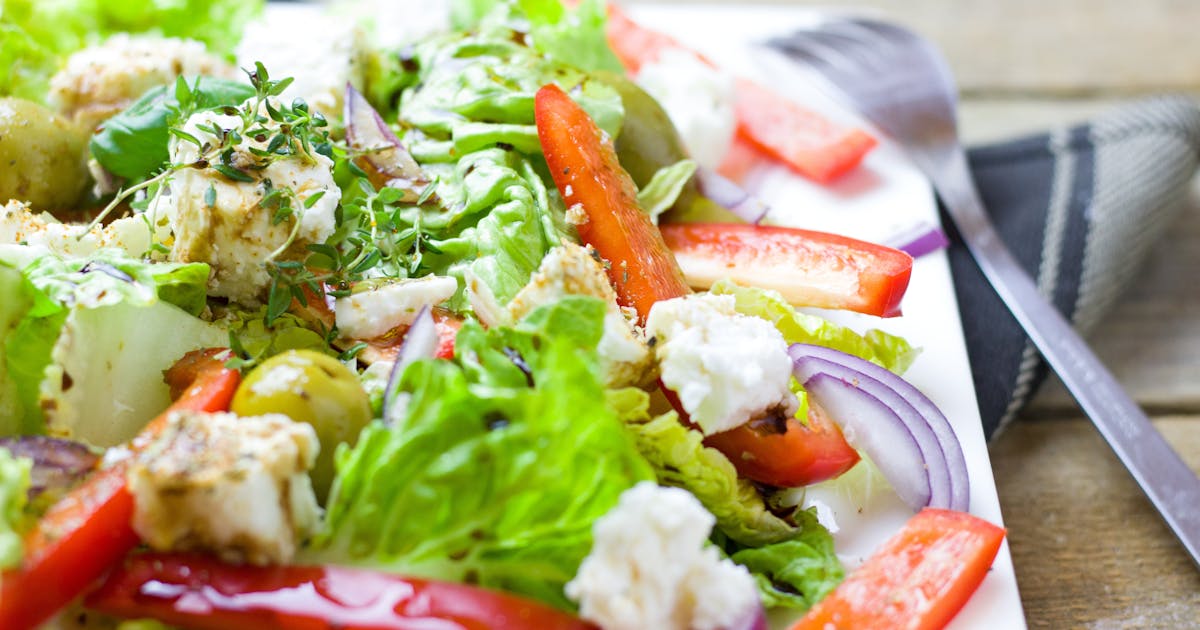
<p>Brain-protective foods include green leafy vegetables (daily), other vegetables (daily), berries (twice a week), nuts (5 times a week), whole grains (3 times a day), beans (3 times a week), fish (once a week), poultry (twice a week), olive oil (primary fat), and wine (one glass per day, optional). Brain-harmful foods to limit are red meat (under 4 servings a week), butter and margarine (under 1 tablespoon a day), cheese (under once a week), pastries and sweets (under 5 times a week), and fried or fast food (under once a week) (<a href="https://www.nia.nih.gov/news/mind-and-mediterranean-diets-linked-fewer-signs-alzheimers-brain-pathology" target="_blank" rel="noopener">NIA, 2024</a>).</p>
<h3>The Late-Life Data</h3>
<p>The 2024 NIA-funded autopsy study examined brain tissue from participants in the Rush Memory and Aging Project who had agreed to brain donation. Researchers compared dietary patterns reported during life (typically starting in the late 60s and 70s) to amyloid plaque density and tau tangle counts at autopsy. The result: participants with the highest MIND or Mediterranean diet scores showed substantially fewer amyloid plaques than non-adherent peers.</p>
<p>The effect was driven primarily by amyloid reduction. Tau tangle counts did not correlate as strongly with diet, which fits the current understanding that amyloid accumulation is more dietary-modifiable than tau tangle formation. But amyloid is the earlier and more upstream pathology, so reducing it has cascading effects.</p>
<h3>Why Late-Start Still Works</h3>
<p>Three mechanisms appear to operate. First, the MIND diet reduces vascular damage in the brain, and vascular pathology continues to contribute to dementia risk throughout life. Cleaning up cardiovascular risk factors in your 70s still helps your brain in your 80s. Second, the antioxidant and anti-inflammatory components of the diet (polyphenols in berries, omega-3s in fish, monounsaturated fats in olive oil) reduce ongoing oxidative damage to existing brain cells. Third, the diet improves insulin sensitivity, which matters because brain insulin resistance is a major contributor to Alzheimer's progression (<a href="https://www.nia.nih.gov/news/healthful-diet-linked-reduced-risk-cognitive-decline" target="_blank" rel="noopener">NIA, 2024</a>).</p>
<p>The diet does not reverse damage already accumulated. It slows further accumulation, which over 5 to 10 years of late-life adherence can mean the difference between developing symptomatic Alzheimer's and dying with brain pathology but normal cognition.</p>
<h3>Moderate Adherence Is the Pragmatic Win</h3>
<p>Perfectionism is the enemy of dietary change at any age, but especially in older adults with established food preferences. The MIND data show that moderate adherence (not perfect compliance) still produced about 35% Alzheimer's risk reduction. Highest adherence reached 53%. Adopting half the diet captures most of the available benefit.</p>
<p>The pragmatic version: leafy greens 4 to 5 times a week, berries 2 to 3 times a week, fish once a week, olive oil as the primary fat, nuts most days, and reducing (not eliminating) red meat, butter, and pastries. This is achievable on most household budgets and most cultural food traditions (<a href="https://www.nia.nih.gov/health/alzheimers-and-dementia/what-do-we-know-about-diet-and-prevention-alzheimers-disease" target="_blank" rel="noopener">NIA, 2024</a>).</p>
<h3>The Real-World Barriers at 75</h3>
<p>Older adults face specific challenges adopting new diets. Dental and chewing issues make raw vegetables harder. Reduced appetite makes increased intake of any food harder. Social isolation reduces meal-prep motivation. Limited mobility complicates grocery shopping. Each of these is addressable: cooked greens beat raw; smaller portions more often beat large meals; grocery delivery and meal kits remove the shopping barrier; communal dining at senior centers improves food intake.</p>
<p>The goal is not Instagram-perfect MIND-diet eating. The goal is gradually shifting weekly food patterns toward the protective foods and away from the harmful ones. Even modest shifts compound over 5 to 10 years.</p>
<div class="ac-action-plan" style="background: linear-gradient(135deg, #fffcf4 0%, #fff8ed 100%); border-left: 5px solid #9A6841; border-radius: 12px; padding: 28px 24px; margin: 32px 0; box-shadow: 0 2px 12px rgba(0,0,0,0.06);"><div style="display: flex; align-items: center; gap: 10px; margin-bottom: 20px;"><svg width="24" height="24" viewBox="0 0 24 24" fill="none" stroke="#9A6841" stroke-width="2" stroke-linecap="round" stroke-linejoin="round"><path d="M9 5H7a2 2 0 00-2 2v12a2 2 0 002 2h10a2 2 0 002-2V7a2 2 0 00-2-2h-2"/><rect x="9" y="3" width="6" height="4" rx="1"/><path d="M9 14l2 2 4-4"/></svg><span style="font-family: Georgia, serif; font-size: 22px; font-weight: 700; color: #313743;">Your Coach's Recommendations</span></div><div style="display: flex; gap: 14px; margin-bottom: 16px; align-items: flex-start;"><div style="min-width: 36px; width: 36px; height: 36px; background: #9A6841; border-radius: 50%; display: flex; align-items: center; justify-content: center; color: #fff; font-weight: 700; font-size: 16px; flex-shrink: 0;">1</div><div><div style="font-weight: 700; color: #313743; font-size: 15px; margin-bottom: 2px;">Add One Brain-Protective Food Per Week.</div><div style="color: #6b7280; font-size: 13.5px; line-height: 1.5;">Week 1: leafy greens 4 times. Week 2: add berries 2 times. Week 3: add nuts daily. Week 4: add olive oil as primary cooking fat. Build the habit gradually rather than overhauling the kitchen overnight.</div></div></div><div style="display: flex; gap: 14px; margin-bottom: 16px; align-items: flex-start;"><div style="min-width: 36px; width: 36px; height: 36px; background: #9A6841; border-radius: 50%; display: flex; align-items: center; justify-content: center; color: #fff; font-weight: 700; font-size: 16px; flex-shrink: 0;">2</div><div><div style="font-weight: 700; color: #313743; font-size: 15px; margin-bottom: 2px;">Use Frozen and Canned to Cut the Grocery Burden.</div><div style="color: #6b7280; font-size: 13.5px; line-height: 1.5;">Frozen spinach, canned beans, canned salmon, frozen berries all match fresh nutritionally and cut shopping frequency. Olive oil in bulk is cost-effective. Senior grocery delivery services often have discounts.</div></div></div><div style="display: flex; gap: 14px; margin-bottom: 20px; align-items: flex-start;"><div style="min-width: 36px; width: 36px; height: 36px; background: #9A6841; border-radius: 50%; display: flex; align-items: center; justify-content: center; color: #fff; font-weight: 700; font-size: 16px; flex-shrink: 0;">3</div><div><div style="font-weight: 700; color: #313743; font-size: 15px; margin-bottom: 2px;">Find One Cultural Recipe That Already Matches MIND Principles.</div><div style="color: #6b7280; font-size: 13.5px; line-height: 1.5;">Many traditional cuisines (Greek, Italian, Lebanese, Israeli, Spanish, Moroccan) are essentially Mediterranean diets in disguise. Cooking what you already love and recognizing it as brain-protective is more sustainable than adopting unfamiliar food culture.</div></div></div><div style="border-top: 1px solid #e5ddd4; margin: 16px 0;"></div><div style="display: flex; justify-content: center; align-items: center; gap: 10px; flex-wrap: wrap;"><button onclick="acPrintPlan()" style="background: none; border: 1px solid #d3cabe; border-radius: 8px; padding: 10px 16px; font-size: 13px; color: #6b7280; cursor: pointer; display: flex; align-items: center; gap: 6px;"><svg width="14" height="14" viewBox="0 0 24 24" fill="none" stroke="currentColor" stroke-width="2" stroke-linecap="round" stroke-linejoin="round"><polyline points="6 9 6 2 18 2 18 9"/><path d="M6 18H4a2 2 0 01-2-2v-5a2 2 0 012-2h16a2 2 0 012 2v5a2 2 0 01-2 2h-2"/><rect x="6" y="14" width="12" height="8"/></svg>Print</button></div></div>
<div style="margin-top: 32px; padding-top: 0;">
<div style="width: 60px; height: 2px; background: linear-gradient(90deg, #9A6841, #be7b4c); border-radius: 2px; margin-bottom: 20px;"></div>
<p style="font-family: Georgia, serif; font-size: 16px; font-style: italic; color: #777; margin: 0 0 6px 0; letter-spacing: 0.3px; padding-left: 38px;">To your health,</p>
<div style="display: flex; align-items: center; gap: 4px; margin-bottom: 4px;">
<img src="https://cdn.prod.website-files.com/69be130d412f9c2c202307ef/69c539b9526b266e2cba5521_ageless-coach-logo-black.png" alt="AC" style="width: 34px; height: 34px; object-fit: contain;">
<p style="font-family: Georgia, serif; font-size: 22px; font-weight: 700; color: #313743; margin: 0; letter-spacing: 0.5px;">Ageless Coach</p>
</div>
<p style="font-family: -apple-system, BlinkMacSystemFont, Segoe UI, sans-serif; font-size: 11px; font-weight: 600; color: #be7b4c; letter-spacing: 2px; text-transform: uppercase; margin: 0 0 0 28px;">Age Strong. Live Long.</p>
</div>
<div style="margin-top: 28px; padding-top: 20px; border-top: 1px solid #e5e7eb; text-align: center;">
<p style="font-family: -apple-system, BlinkMacSystemFont, Segoe UI, sans-serif; font-size: 13px; font-weight: 700; color: #6b7280; letter-spacing: 2px; text-transform: uppercase; margin: 0 0 16px 0;">Trusted Sources Behind This Article</p>
<div style="display: flex; justify-content: center; gap: 10px; flex-wrap: wrap;">
<a href="https://www.nia.nih.gov/news/mind-and-mediterranean-diets-linked-fewer-signs-alzheimers-brain-pathology" target="_blank" rel="noopener" style="display: inline-block; background: #fff; border: 1.5px solid #9A6841; color: #9A6841; padding: 8px 20px; border-radius: 20px; font-size: 14px; font-weight: 600; letter-spacing: 0.3px; text-decoration: none; transition: background 0.2s ease, color 0.2s ease;">NIA MIND Diet Study</a>
<a href="https://www.nia.nih.gov/news/healthful-diet-linked-reduced-risk-cognitive-decline" target="_blank" rel="noopener" style="display: inline-block; background: #fff; border: 1.5px solid #9A6841; color: #9A6841; padding: 8px 20px; border-radius: 20px; font-size: 14px; font-weight: 600; letter-spacing: 0.3px; text-decoration: none; transition: background 0.2s ease, color 0.2s ease;">NIA Healthful Diet Research</a>
<a href="https://www.nia.nih.gov/health/alzheimers-and-dementia/what-do-we-know-about-diet-and-prevention-alzheimers-disease" target="_blank" rel="noopener" style="display: inline-block; background: #fff; border: 1.5px solid #9A6841; color: #9A6841; padding: 8px 20px; border-radius: 20px; font-size: 14px; font-weight: 600; letter-spacing: 0.3px; text-decoration: none; transition: background 0.2s ease, color 0.2s ease;">NIA Diet & Alzheimer's</a>
</div>
</div>
<p style="font-size: 12px; color: #999; margin-top: 40px; line-height: 1.5;"><em>This content is for educational purposes only and is not a substitute for professional medical advice, diagnosis, or treatment. Reading this article does not create a provider-patient relationship. Always consult your physician or qualified healthcare provider before making changes to your diet, exercise, or health routine. Ageless Coach is not liable for any actions taken based on this information.</em></p>
<div class="ac-faq" style="margin-top:40px; border-top:1px solid #e5e7eb; padding-top:32px;">
<h2 style="font-family:Georgia,serif; font-size:20px; font-weight:700; color:#313743; margin:0 0 20px 0;">Frequently Asked Questions</h2>
<details style="border:1px solid #e5e7eb; border-radius:8px; margin-bottom:10px; overflow:hidden;">
<summary style="padding:14px 18px; font-weight:600; font-size:15px; color:#313743; cursor:pointer; list-style:none; display:flex; justify-content:space-between; align-items:center;">
Am I too old at 80 to benefit from starting the MIND diet?
<svg width="16" height="16" viewBox="0 0 24 24" fill="none" stroke="#9A6841" stroke-width="2" stroke-linecap="round" stroke-linejoin="round" aria-hidden="true"><polyline points="6 9 12 15 18 9"/></svg>
</summary>
<div style="padding:0 18px 16px; font-size:18px; color:#555; line-height:1.65;">No. The Rush autopsy data included participants in their 80s and 90s, and the protective effect was visible at those ages. The benefit per year is smaller than at 60, but the diet also improves cardiovascular health, weight, and energy. Adopting it at 80 still moves the needle on multiple measurable outcomes.</div>
</details>
<details style="border:1px solid #e5e7eb; border-radius:8px; margin-bottom:10px; overflow:hidden;">
<summary style="padding:14px 18px; font-weight:600; font-size:15px; color:#313743; cursor:pointer; list-style:none; display:flex; justify-content:space-between; align-items:center;">
What if I already have mild cognitive impairment?
<svg width="16" height="16" viewBox="0 0 24 24" fill="none" stroke="#9A6841" stroke-width="2" stroke-linecap="round" stroke-linejoin="round" aria-hidden="true"><polyline points="6 9 12 15 18 9"/></svg>
</summary>
<div style="padding:0 18px 16px; font-size:18px; color:#555; line-height:1.65;">Diet still helps. Studies of MCI patients show that those who adopt the MIND diet show slower progression to Alzheimer's than those who do not. The diet is not a treatment, but it is one of the more impactful lifestyle interventions available to delay disease progression at the MCI stage.</div>
</details>
<details style="border:1px solid #e5e7eb; border-radius:8px; margin-bottom:10px; overflow:hidden;">
<summary style="padding:14px 18px; font-weight:600; font-size:15px; color:#313743; cursor:pointer; list-style:none; display:flex; justify-content:space-between; align-items:center;">
Do I have to drink wine?
<svg width="16" height="16" viewBox="0 0 24 24" fill="none" stroke="#9A6841" stroke-width="2" stroke-linecap="round" stroke-linejoin="round" aria-hidden="true"><polyline points="6 9 12 15 18 9"/></svg>
</summary>
<div style="padding:0 18px 16px; font-size:18px; color:#555; line-height:1.65;">No. The original MIND diet included optional wine (one glass per day), but newer evidence suggests even moderate alcohol may slightly increase dementia risk. Most current researchers consider the wine component the weakest link in the MIND diet. Non-drinkers should not start drinking for the diet's sake.</div>
</details>
<details style="border:1px solid #e5e7eb; border-radius:8px; margin-bottom:10px; overflow:hidden;">
<summary style="padding:14px 18px; font-weight:600; font-size:15px; color:#313743; cursor:pointer; list-style:none; display:flex; justify-content:space-between; align-items:center;">
Is the MIND diet better than the Mediterranean diet for the brain?
<svg width="16" height="16" viewBox="0 0 24 24" fill="none" stroke="#9A6841" stroke-width="2" stroke-linecap="round" stroke-linejoin="round" aria-hidden="true"><polyline points="6 9 12 15 18 9"/></svg>
</summary>
<div style="padding:0 18px 16px; font-size:18px; color:#555; line-height:1.65;">Slightly. The Rush data show stronger cognitive effects for MIND than pure Mediterranean, likely because MIND specifically emphasizes berries and leafy greens. Both diets are protective; MIND is the more cognition-focused version. Adherence to either reduces risk substantially.</div>
</details>
<details style="border:1px solid #e5e7eb; border-radius:8px; margin-bottom:10px; overflow:hidden;">
<summary style="padding:14px 18px; font-weight:600; font-size:15px; color:#313743; cursor:pointer; list-style:none; display:flex; justify-content:space-between; align-items:center;">
What if I do not like fish or seafood?
<svg width="16" height="16" viewBox="0 0 24 24" fill="none" stroke="#9A6841" stroke-width="2" stroke-linecap="round" stroke-linejoin="round" aria-hidden="true"><polyline points="6 9 12 15 18 9"/></svg>
</summary>
<div style="padding:0 18px 16px; font-size:18px; color:#555; line-height:1.65;">Walnuts, ground flax, and chia seeds provide plant-based omega-3 (ALA) for non-fish eaters. The conversion to brain-active omega-3s is less efficient than from fish, so consider an algae-based omega-3 supplement (vegan-friendly, similar effect to fish oil). Aim for 1 to 2 grams of combined EPA+DHA daily from supplement.</div>
</details>
<details style="border:1px solid #e5e7eb; border-radius:8px; margin-bottom:10px; overflow:hidden;">
<summary style="padding:14px 18px; font-weight:600; font-size:15px; color:#313743; cursor:pointer; list-style:none; display:flex; justify-content:space-between; align-items:center;">
How long until the MIND diet starts protecting my brain?
<svg width="16" height="16" viewBox="0 0 24 24" fill="none" stroke="#9A6841" stroke-width="2" stroke-linecap="round" stroke-linejoin="round" aria-hidden="true"><polyline points="6 9 12 15 18 9"/></svg>
</summary>
<div style="padding:0 18px 16px; font-size:18px; color:#555; line-height:1.65;">Cardiovascular benefits (lower blood pressure, better lipid profile, improved insulin sensitivity) appear within weeks. The brain-pathology benefit (reduced amyloid deposition) compounds over years. The Rush data measured outcomes after 4 to 5 years of dietary adherence. Starting is more important than expecting immediate results.</div>
</details>
</div>
<div class="ac-article-cta">
<p class="ac-cta-lead">Want one verified-science article like this every week?</p>
<a href="/newsletter" class="ac-nav-cta">
Get Better Health, Weekly
<span class="ac-nav-cta-arrow">
<svg viewBox="0 0 18 18" fill="none" xmlns="http://www.w3.org/2000/svg" aria-hidden="true"><path d="M4.24 13.59L12.73 5.11" stroke="#0D1B2A" stroke-width="1.8"/><path d="M4.95 4.4H13.44V12.89" stroke="#0D1B2A" stroke-width="1.8"/></svg>
</span>
</a>
</div>

Get Better Health, Weekly