<style>
.w-richtext p,.w-richtext li,.w-richtext td{font-size:18px;line-height:1.65}
.w-richtext h2{font-size:26px;line-height:1.35}
.w-richtext h3{font-size:22px;line-height:1.35}
.w-richtext ul{list-style-type:disc;padding-left:24px;margin:12px 0}
.w-richtext ul li{margin-bottom:8px;line-height:1.65}
.w-richtext .ac-action-plan{background:linear-gradient(135deg,#fffcf4 0%,#fff8ed 100%);border-left:5px solid #9a6841;border-radius:12px;padding:28px 24px;margin:32px 0;box-shadow:0 2px 12px rgba(0,0,0,0.06)}
/* Hero header alignment */
.article-header-section .article-container{max-width:1080px !important;margin:0 auto !important;padding:0 20px !important}
.article-header-section .article-hero-image{display:block;width:100%;max-width:660px;margin:0}
.article-header-section .article-title{display:block !important;font-family:Georgia,serif;font-size:32px;line-height:1.25;font-weight:700;color:#313743;margin:20px 0 12px 0;text-align:left;max-width:660px}
@media (max-width:767px){.article-header-section .article-title{font-size:26px}.article-header-section .article-hero-image{max-width:100%}}
/* Article-bottom newsletter CTA */
.ac-article-cta{margin-top:40px;text-align:center}
.ac-article-cta .ac-cta-lead{font-family:Georgia,serif;font-size:17px;color:#555;margin:0 0 16px 0;line-height:1.5}
.ac-article-cta a.ac-nav-cta{display:inline-flex;align-items:center;gap:10px;padding:10px 14px 10px 20px;background:#313743;color:#fff;border:1.5px solid #14D4CD;border-radius:82px;font-family:Inter,sans-serif;font-size:14px;font-weight:600;letter-spacing:0.3px;text-decoration:none;transition:transform 0.15s ease,box-shadow 0.15s ease}
.ac-article-cta a.ac-nav-cta:hover{transform:translateY(-1px);box-shadow:0 6px 18px rgba(20,212,205,0.25)}
.ac-article-cta .ac-nav-cta-arrow{width:28px;height:28px;background:#14D4CD;border-radius:50%;display:inline-flex;align-items:center;justify-content:center;flex-shrink:0}
.ac-article-cta .ac-nav-cta-arrow svg{width:14px;height:14px}
</style>
<p class="publish-date" style="font-size:13px; color:#999; margin-bottom:16px;">Published: May 21, 2026 · Last updated: May 21, 2026</p>
<div class="ac-glance" style="background-color: #ffffff; padding: 20px; border: 2px solid #b0bec5; border-radius: 8px; margin: 20px 0;"><strong>This week's brief at a glance:</strong><ul style="margin: 12px 0; padding-left: 24px;"><li style="margin-bottom:6px;">Zone 2 is moderate-intensity exercise at roughly 60 to 70 percent of your maximum heart rate (Cleveland Clinic, 2024)</li><li style="margin-bottom:6px;">Moderate-intensity activity can be gauged by feel or heart rate, around 50 to 70 percent of maximum (Mayo Clinic, 2024)</li><li style="margin-bottom:6px;">Adults should get at least 150 minutes of moderate-intensity aerobic activity each week (CDC, 2024)</li></ul></div>
<p>Zone 2 cardio has become one of the most talked-about ideas in fitness. It promises a stronger heart, better endurance, and real longevity benefits. So people try it, and most of them, eager to do it properly, get the one thing that matters wrong.</p>
<p>That one thing is the pace. Zone 2 is defined by a surprisingly gentle effort, and the common instinct is to push harder than the zone allows. Treat it like a workout that should burn and leave you breathless, and you are no longer in zone 2 at all.</p>
<h3>What Zone 2 Actually Means</h3>
<p><strong>A Defined Effort Level:</strong> Zone 2 is not a vague idea. It refers to a specific band of exercise intensity, the second of several heart-rate zones.</p>
<p>Cleveland Clinic describes zone 2 as moderate-intensity aerobic exercise that puts your heart rate at roughly 60 to 70 percent of its maximum. Crucially, it should feel like a comfortable effort you could keep up for a long stretch, with a light conversation still possible even if you pause now and then for breath (<a href="https://health.clevelandclinic.org/zone-2-cardio" target="_blank" rel="noopener">Cleveland Clinic, 2024</a>).</p>
<p>That description is the whole point. Zone 2 is meant to feel easy enough to sustain, not hard enough to hurt.</p>
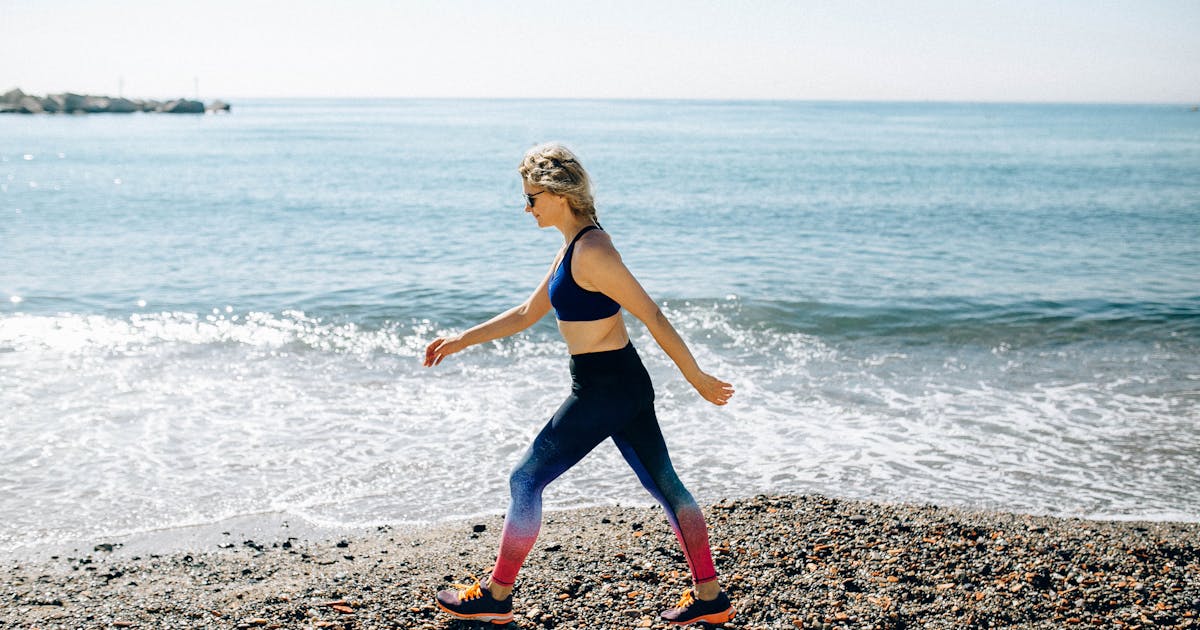
<p>Brisk walking is a classic example, typically covering a mile on flat ground in fifteen to twenty minutes. A gentle, slow jog can also land you there.</p>
<h3>Why Most People Train It Too Hard</h3>
<p><strong>The Push-Harder Instinct:</strong> The most common mistake with zone 2 is simple. People do it too intensely.</p>
<p>Decades of fitness culture trained us to believe a workout only counts if it burns, if you finish sweating and out of breath. Zone 2 quietly contradicts that. It asks you to hold back.</p>
<p>So a walk that should be comfortable becomes a power march. A gentle jog creeps up to a real run. The effort feels productive because it is harder, but in pushing past the conversational pace, you have climbed out of zone 2 and into a different zone entirely.</p>
<p>That is not necessarily bad exercise. But it is not zone 2, and it does not deliver the specific benefits zone 2 is prized for. If you finish a zone 2 session feeling like you pushed it, you almost certainly did.</p>
<h3>How to Find Your Zone 2 Pace</h3>
<p><strong>The Talk Test:</strong> The simplest way to find zone 2 needs no devices at all. It is the talk test.</p>
<p>At a true zone 2 effort, you can speak in full sentences and hold a light conversation, though you might pause occasionally to catch your breath. If you can only get out a few words at a time, you are working too hard. If you can sing comfortably, you may be going too easy.</p>
<p>Mayo Clinic notes that exercise intensity can be gauged both by how you feel and by heart rate, with moderate-intensity activity sitting around 50 to 70 percent of your maximum heart rate (<a href="https://www.mayoclinic.org/healthy-lifestyle/fitness/in-depth/exercise-intensity/art-20046887" target="_blank" rel="noopener">Mayo Clinic, 2024</a>).</p>
<p>A fitness tracker or heart-rate monitor can confirm the number, but it is not required. The conversational pace is a reliable guide on its own, and it is the one most people can use immediately.</p>
<h3>Why the Easy Pace Is the Point</h3>
<p><strong>Built to Be Sustainable:</strong> It can feel counterintuitive that an easy effort is the one worth building a routine around. The logic holds up well.</p>
<p>Training at a comfortable, sustainable pace strengthens the heart and the aerobic system without the heavy fatigue and longer recovery that harder sessions demand. Because it is not punishing, you can do more of it, more often, for longer.</p>
<p>That consistency is where the payoff lives. A steady base of moderate aerobic exercise supports cardiovascular health and endurance over time, and it is far easier to keep up for years than a routine built only on hard, draining workouts.</p>
<h3>Fitting Zone 2 Into Real Life</h3>
<p><strong>It Counts More Than You Think:</strong> The good news about a gentle target pace is that ordinary activity often qualifies.</p>
<p>A brisk walk that leaves you slightly breathless but still able to talk is squarely in this range. So is an easy cycle, a steady swim, or a light hike.</p>
<p>The CDC recommends that adults get at least 150 minutes of moderate-intensity aerobic activity each week, the kind that raises your heart rate and quickens your breathing (<a href="https://www.cdc.gov/physical-activity-basics/adding-adults/what-counts.html" target="_blank" rel="noopener">CDC, 2024</a>). Zone 2 work fits that guidance directly.</p>
<p>You do not need a special class or a long block of time. Three or four sessions of thirty to forty-five minutes, at a pace you can comfortably talk through, builds a genuine aerobic base.</p>
<div class="ac-action-plan" style="background: linear-gradient(135deg, #fffcf4 0%, #fff8ed 100%); border-left: 5px solid #9A6841; border-radius: 12px; padding: 28px 24px; margin: 32px 0; box-shadow: 0 2px 12px rgba(0,0,0,0.06);"><div style="display: flex; align-items: center; gap: 10px; margin-bottom: 20px;"><svg width="24" height="24" viewBox="0 0 24 24" fill="none" stroke="#9A6841" stroke-width="2" stroke-linecap="round" stroke-linejoin="round"><path d="M9 5H7a2 2 0 00-2 2v12a2 2 0 002 2h10a2 2 0 002-2V7a2 2 0 00-2-2h-2"/><rect x="9" y="3" width="6" height="4" rx="1"/><path d="M9 14l2 2 4-4"/></svg><span style="font-family: Georgia, serif; font-size: 22px; font-weight: 700; color: #313743;">Your Coach's Recommendations</span></div><div style="display: flex; gap: 14px; margin-bottom: 16px; align-items: flex-start;"><div style="min-width: 36px; width: 36px; height: 36px; background: #9A6841; border-radius: 50%; display: flex; align-items: center; justify-content: center; color: #fff; font-weight: 700; font-size: 16px; flex-shrink: 0;">1</div><div><div style="font-weight: 700; color: #313743; font-size: 15px; margin-bottom: 2px;">Use the Talk Test to Set Your Pace</div><div style="color: #6b7280; font-size: 13.5px; line-height: 1.5;">Aim for an effort where you can speak in full sentences but not sing comfortably. If you can only manage a few words at a time, slow down. The conversational pace is true zone 2.</div></div></div><div style="display: flex; gap: 14px; margin-bottom: 16px; align-items: flex-start;"><div style="min-width: 36px; width: 36px; height: 36px; background: #9A6841; border-radius: 50%; display: flex; align-items: center; justify-content: center; color: #fff; font-weight: 700; font-size: 16px; flex-shrink: 0;">2</div><div><div style="font-weight: 700; color: #313743; font-size: 15px; margin-bottom: 2px;">Resist the Urge to Push Harder</div><div style="color: #6b7280; font-size: 13.5px; line-height: 1.5;">Zone 2 should feel easy and sustainable, not punishing. If you finish a session feeling like you really pushed it, you climbed out of the zone. Holding back is doing it correctly.</div></div></div><div style="display: flex; gap: 14px; margin-bottom: 20px; align-items: flex-start;"><div style="min-width: 36px; width: 36px; height: 36px; background: #9A6841; border-radius: 50%; display: flex; align-items: center; justify-content: center; color: #fff; font-weight: 700; font-size: 16px; flex-shrink: 0;">3</div><div><div style="font-weight: 700; color: #313743; font-size: 15px; margin-bottom: 2px;">Aim for 150 Minutes Across the Week</div><div style="color: #6b7280; font-size: 13.5px; line-height: 1.5;">Three or four sessions of thirty to forty-five minutes at a conversational pace meets the standard guidance. A brisk walk, easy cycle, or steady swim all count toward your weekly total.</div></div></div><div style="border-top: 1px solid #e5ddd4; margin: 16px 0;"></div><div style="display: flex; justify-content: center; align-items: center; gap: 10px; flex-wrap: wrap;"><button onclick="acPrintPlan()" style="background: none; border: 1px solid #d3cabe; border-radius: 8px; padding: 10px 16px; font-size: 13px; color: #6b7280; cursor: pointer; display: flex; align-items: center; gap: 6px;"><svg width="14" height="14" viewBox="0 0 24 24" fill="none" stroke="currentColor" stroke-width="2" stroke-linecap="round" stroke-linejoin="round"><polyline points="6 9 6 2 18 2 18 9"/><path d="M6 18H4a2 2 0 01-2-2v-5a2 2 0 012-2h16a2 2 0 012 2v5a2 2 0 01-2 2h-2"/><rect x="6" y="14" width="12" height="8"/></svg>Print</button></div></div>
<div style="margin-top: 32px; padding-top: 0;">
<div style="width: 60px; height: 2px; background: linear-gradient(90deg, #9A6841, #be7b4c); border-radius: 2px; margin-bottom: 20px;"></div>
<p style="font-family: Georgia, serif; font-size: 16px; font-style: italic; color: #777; margin: 0 0 6px 0; letter-spacing: 0.3px; padding-left: 38px;">To your health,</p>
<div style="display: flex; align-items: center; gap: 4px; margin-bottom: 4px;">
<img src="https://cdn.prod.website-files.com/69be130d412f9c2c202307ef/69c539b9526b266e2cba5521_ageless-coach-logo-black.png" alt="AC" style="width: 34px; height: 34px; object-fit: contain;">
<p style="font-family: Georgia, serif; font-size: 22px; font-weight: 700; color: #313743; margin: 0; letter-spacing: 0.5px;">Ageless Coach</p>
</div>
<p style="font-family: -apple-system, BlinkMacSystemFont, Segoe UI, sans-serif; font-size: 11px; font-weight: 600; color: #be7b4c; letter-spacing: 2px; text-transform: uppercase; margin: 0 0 0 28px;">Age Strong. Live Long.</p>
</div>
<div style="margin-top: 28px; padding-top: 20px; border-top: 1px solid #e5e7eb; text-align: center;">
<p style="font-family: -apple-system, BlinkMacSystemFont, Segoe UI, sans-serif; font-size: 13px; font-weight: 700; color: #6b7280; letter-spacing: 2px; text-transform: uppercase; margin: 0 0 16px 0;">Trusted Sources Behind This Article</p>
<div style="display: flex; justify-content: center; gap: 10px; flex-wrap: wrap;">
<a href="https://health.clevelandclinic.org/zone-2-cardio" target="_blank" rel="noopener" style="display: inline-block; background: #fff; border: 1.5px solid #9A6841; color: #9A6841; padding: 8px 20px; border-radius: 20px; font-size: 14px; font-weight: 600; letter-spacing: 0.3px; text-decoration: none; transition: background 0.2s ease, color 0.2s ease;">Cleveland Clinic</a>
<a href="https://www.mayoclinic.org/healthy-lifestyle/fitness/in-depth/exercise-intensity/art-20046887" target="_blank" rel="noopener" style="display: inline-block; background: #fff; border: 1.5px solid #9A6841; color: #9A6841; padding: 8px 20px; border-radius: 20px; font-size: 14px; font-weight: 600; letter-spacing: 0.3px; text-decoration: none; transition: background 0.2s ease, color 0.2s ease;">Mayo Clinic</a>
<a href="https://www.cdc.gov/physical-activity-basics/adding-adults/what-counts.html" target="_blank" rel="noopener" style="display: inline-block; background: #fff; border: 1.5px solid #9A6841; color: #9A6841; padding: 8px 20px; border-radius: 20px; font-size: 14px; font-weight: 600; letter-spacing: 0.3px; text-decoration: none; transition: background 0.2s ease, color 0.2s ease;">CDC</a>
</div>
</div>
<p style="font-size: 12px; color: #999; margin-top: 40px; line-height: 1.5;"><em>This content is for educational purposes only and is not a substitute for professional medical advice, diagnosis, or treatment. Reading this article does not create a provider-patient relationship. Always consult your physician or qualified healthcare provider before making changes to your diet, exercise, or health routine. Ageless Coach is not liable for any actions taken based on this information.</em></p>
<div class="ac-faq" style="margin-top:40px; border-top:1px solid #e5e7eb; padding-top:32px;">
<h2 style="font-family:Georgia,serif; font-size:20px; font-weight:700; color:#313743; margin:0 0 20px 0;">Frequently Asked Questions</h2>
<details style="border:1px solid #e5e7eb; border-radius:8px; margin-bottom:10px; overflow:hidden;">
<summary style="padding:14px 18px; font-weight:600; font-size:15px; color:#313743; cursor:pointer; list-style:none; display:flex; justify-content:space-between; align-items:center;">
What heart rate should I be at for zone 2?
<svg width="16" height="16" viewBox="0 0 24 24" fill="none" stroke="#9A6841" stroke-width="2" stroke-linecap="round" stroke-linejoin="round" aria-hidden="true"><polyline points="6 9 12 15 18 9"/></svg>
</summary>
<div style="padding:0 18px 16px; font-size:18px; color:#555; line-height:1.65;">Zone 2 is roughly 60 to 70 percent of your maximum heart rate. If you do not track heart rate, the talk test works just as well: you should be able to hold a light conversation.</div>
</details>
<details style="border:1px solid #e5e7eb; border-radius:8px; margin-bottom:10px; overflow:hidden;">
<summary style="padding:14px 18px; font-weight:600; font-size:15px; color:#313743; cursor:pointer; list-style:none; display:flex; justify-content:space-between; align-items:center;">
How do I know if I'm going too hard in zone 2?
<svg width="16" height="16" viewBox="0 0 24 24" fill="none" stroke="#9A6841" stroke-width="2" stroke-linecap="round" stroke-linejoin="round" aria-hidden="true"><polyline points="6 9 12 15 18 9"/></svg>
</summary>
<div style="padding:0 18px 16px; font-size:18px; color:#555; line-height:1.65;">If you can only speak a few words at a time before needing breath, you have pushed past zone 2. A true zone 2 effort lets you talk in full sentences while still feeling like mild work.</div>
</details>
<details style="border:1px solid #e5e7eb; border-radius:8px; margin-bottom:10px; overflow:hidden;">
<summary style="padding:14px 18px; font-weight:600; font-size:15px; color:#313743; cursor:pointer; list-style:none; display:flex; justify-content:space-between; align-items:center;">
Does brisk walking count as zone 2 cardio?
<svg width="16" height="16" viewBox="0 0 24 24" fill="none" stroke="#9A6841" stroke-width="2" stroke-linecap="round" stroke-linejoin="round" aria-hidden="true"><polyline points="6 9 12 15 18 9"/></svg>
</summary>
<div style="padding:0 18px 16px; font-size:18px; color:#555; line-height:1.65;">Yes. A brisk walk that leaves you slightly breathless but still able to talk is squarely in the zone 2 range. There is no need for a special class or equipment.</div>
</details>
<details style="border:1px solid #e5e7eb; border-radius:8px; margin-bottom:10px; overflow:hidden;">
<summary style="padding:14px 18px; font-weight:600; font-size:15px; color:#313743; cursor:pointer; list-style:none; display:flex; justify-content:space-between; align-items:center;">
Why is zone 2 supposed to feel easy?
<svg width="16" height="16" viewBox="0 0 24 24" fill="none" stroke="#9A6841" stroke-width="2" stroke-linecap="round" stroke-linejoin="round" aria-hidden="true"><polyline points="6 9 12 15 18 9"/></svg>
</summary>
<div style="padding:0 18px 16px; font-size:18px; color:#555; line-height:1.65;">An easy, sustainable pace strengthens the heart and aerobic system without heavy fatigue, so you can do more of it. That consistency over time is where the cardiovascular and endurance benefits come from.</div>
</details>
<details style="border:1px solid #e5e7eb; border-radius:8px; margin-bottom:10px; overflow:hidden;">
<summary style="padding:14px 18px; font-weight:600; font-size:15px; color:#313743; cursor:pointer; list-style:none; display:flex; justify-content:space-between; align-items:center;">
How much zone 2 cardio should I do each week?
<svg width="16" height="16" viewBox="0 0 24 24" fill="none" stroke="#9A6841" stroke-width="2" stroke-linecap="round" stroke-linejoin="round" aria-hidden="true"><polyline points="6 9 12 15 18 9"/></svg>
</summary>
<div style="padding:0 18px 16px; font-size:18px; color:#555; line-height:1.65;">General guidance is at least 150 minutes of moderate-intensity aerobic activity per week. Three or four sessions of thirty to forty-five minutes at a conversational pace meets that target.</div>
</details>
<details style="border:1px solid #e5e7eb; border-radius:8px; margin-bottom:10px; overflow:hidden;">
<summary style="padding:14px 18px; font-weight:600; font-size:15px; color:#313743; cursor:pointer; list-style:none; display:flex; justify-content:space-between; align-items:center;">
Is zone 2 better than high-intensity exercise?
<svg width="16" height="16" viewBox="0 0 24 24" fill="none" stroke="#9A6841" stroke-width="2" stroke-linecap="round" stroke-linejoin="round" aria-hidden="true"><polyline points="6 9 12 15 18 9"/></svg>
</summary>
<div style="padding:0 18px 16px; font-size:18px; color:#555; line-height:1.65;">They serve different purposes. Zone 2 builds an aerobic base and is easy to sustain, while higher-intensity work has its own benefits. Many people do best with mostly zone 2 plus some harder sessions.</div>
</details>
<details style="border:1px solid #e5e7eb; border-radius:8px; margin-bottom:10px; overflow:hidden;">
<summary style="padding:14px 18px; font-weight:600; font-size:15px; color:#313743; cursor:pointer; list-style:none; display:flex; justify-content:space-between; align-items:center;">
Do I need a heart rate monitor to do zone 2?
<svg width="16" height="16" viewBox="0 0 24 24" fill="none" stroke="#9A6841" stroke-width="2" stroke-linecap="round" stroke-linejoin="round" aria-hidden="true"><polyline points="6 9 12 15 18 9"/></svg>
</summary>
<div style="padding:0 18px 16px; font-size:18px; color:#555; line-height:1.65;">No. A monitor can confirm your zone, but the talk test is a reliable guide on its own. If you can converse but not sing, you are very likely in zone 2.</div>
</details>
</div>
<div class="ac-article-cta">
<p class="ac-cta-lead">Want one verified-science article like this every week?</p>
<a href="/newsletter" class="ac-nav-cta">
Get Better Health, Weekly
<span class="ac-nav-cta-arrow">
<svg viewBox="0 0 18 18" fill="none" xmlns="http://www.w3.org/2000/svg" aria-hidden="true"><path d="M4.24 13.59L12.73 5.11" stroke="#0D1B2A" stroke-width="1.8"/><path d="M4.95 4.4H13.44V12.89" stroke="#0D1B2A" stroke-width="1.8"/></svg>
</span>
</a>
</div>

Get Better Health, Weekly